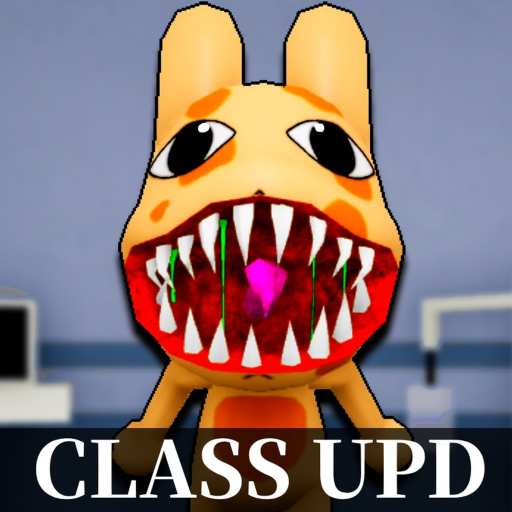
Visual signs
- Look for body shape, face, or detail changes before opening the shutters.
- Compare the patient against normal animal appearance.
- Reject only when the sign is clear enough to avoid a false positive.
Use these source-backed triage groups before opening the shutters. This is a decision checklist, not a claim that every hidden anomaly is fully cataloged.
These names come from source-backed guide coverage and should be expanded only after direct gameplay or stronger source checks. Newer short-video wording also includes 'The Mad Patient' and 'The Patient Who Fainted'; treat those as reported event names until guide coverage and gameplay confirm the exact mechanics.
Open the source-labeled guide for this hazard or suspicious shift signal.
Open the source-labeled guide for this hazard or suspicious shift signal.
Open the source-labeled guide for this hazard or suspicious shift signal.
Open the source-labeled guide for this hazard or suspicious shift signal.
Open the source-labeled guide for this hazard or suspicious shift signal.
Open the source-labeled guide for this hazard or suspicious shift signal.
Open the source-labeled guide for this hazard or suspicious shift signal.
Open the source-labeled guide for this hazard or suspicious shift signal.
Open the source-labeled guide for this hazard or suspicious shift signal.
Open the source-labeled guide for this hazard or suspicious shift signal.
Open the source-labeled guide for this hazard or suspicious shift signal.
Open the source-labeled guide for this hazard or suspicious shift signal.
Open the source-labeled guide for this hazard or suspicious shift signal.
Open the source-labeled guide for this hazard or suspicious shift signal.
Open the source-labeled guide for this hazard or suspicious shift signal.
Open the source-labeled guide for this hazard or suspicious shift signal.
Open the source-labeled guide for this hazard or suspicious shift signal.
Open the source-labeled guide for this hazard or suspicious shift signal.
Treat that as a community complaint, not a verified mechanic. Re-check the visual, camera, and photo layers before assuming the game added signless patients.
Recent RobloxHelp posts say some runs end after a few shifts. No official fix note was verified on this run, so keep those reports labeled as pending.
Use the anomaly checklist first, then the emergency solver. If one suspicious run contradicts the checklist, treat it as a reported edge case until stronger evidence appears.
Use the new watch page for Ghost-specific searches and source boundaries.
Threat guideSeparate Stalker threat signals from unverified class claims.
Next actionUse it if the suspicious patient turns into an active event.
Use cautious treatment-room notes for normal patients.
SurvivalUse safer shift priorities when the team is under pressure.